
Article: How to choose a handbag: a practical guide to shape, materials, and actual use
How to choose a handbag: a practical guide to shape, materials, and actual use
How to choose a bag: a practical guide to shape, materials, and real use
What to truly consider before buying a bag
Choosing a bag seems like a simple decision, but in practice, it’s one of the most complex purchases. Not because there's a lack of options, but because people often start with aesthetics and only later realize it's not enough.
In our work, this is probably the most frequent conversation we have in our Milan store. People often come in with an initial idea, a shape, a color, a model. But during the discussion, other variables quickly emerge: use, materials, weight, capacity, durability.
It’s at that moment that the choice changes.
Start with the use, not the model
The first mistake we see is choosing a bag by only considering its appearance. In reality, the most important question is another: how will it be used?
An everyday bag has completely different needs compared to an evening bag or a travel bag. The weight, frequency of use, and required level of practicality all change.
To better guide you, it's worth clarifying a few points right away:
- daily or occasional use
- context: work, leisure, travel
- need for capacity or lightness
- need for practicality or aesthetic priority
In our approach, everything starts here. When the use is clear, the choice also becomes simpler.
Shape and structure: it’s not just about aesthetics
The shape of a bag is not just a visual element. It is closely linked to its function.
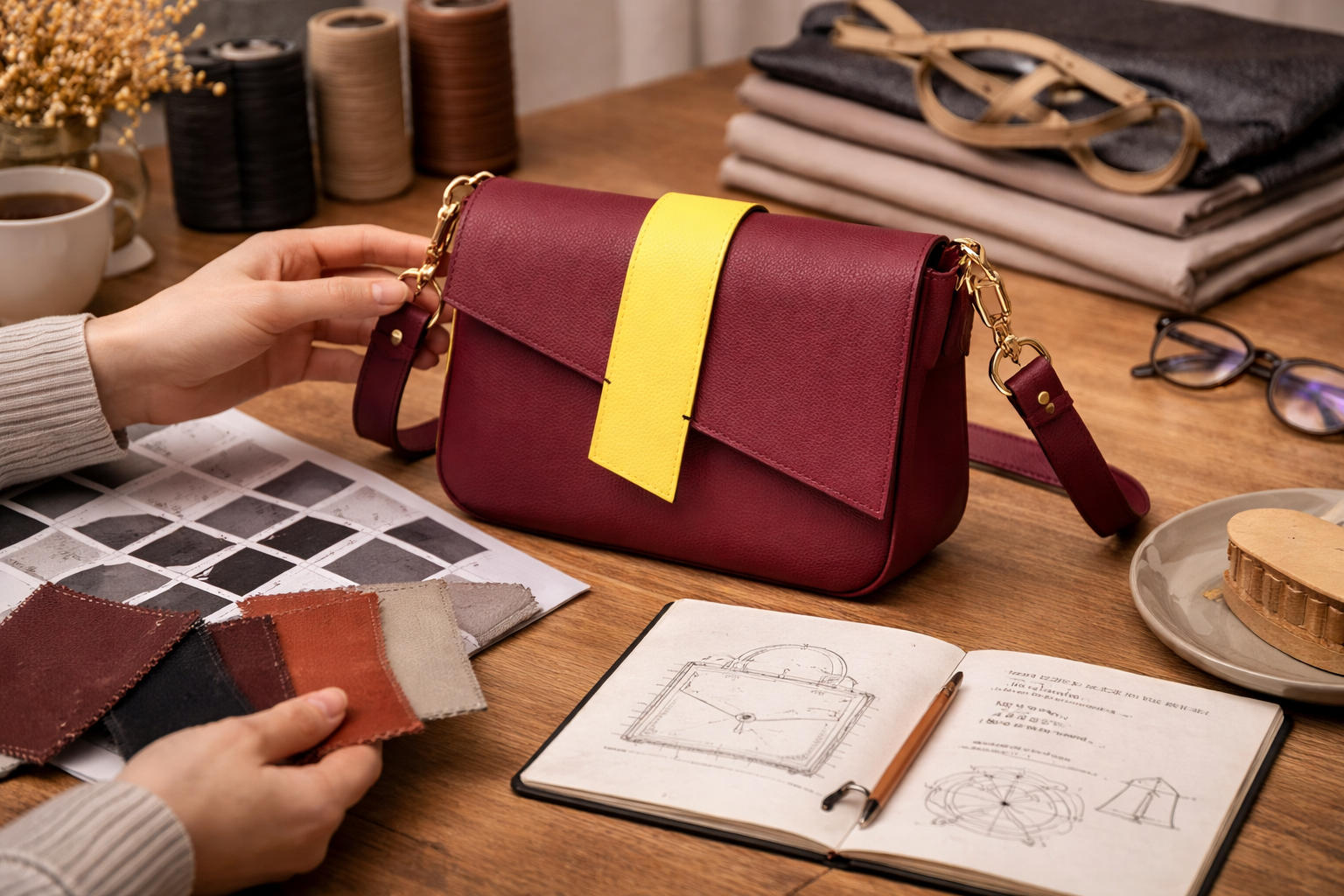
A more structured bag maintains its shape over time, better protects its contents, and is often more suitable for work or formal settings. A softer bag, on the other hand, adapts to the body, is more dynamic, and often more comfortable when on the move.
The choice depends on a balance between:
- personal style
- daily rhythm
- type of use
In our work, we always observe this step: the shape must work in real life, not just in aesthetic perception.
The material changes everything
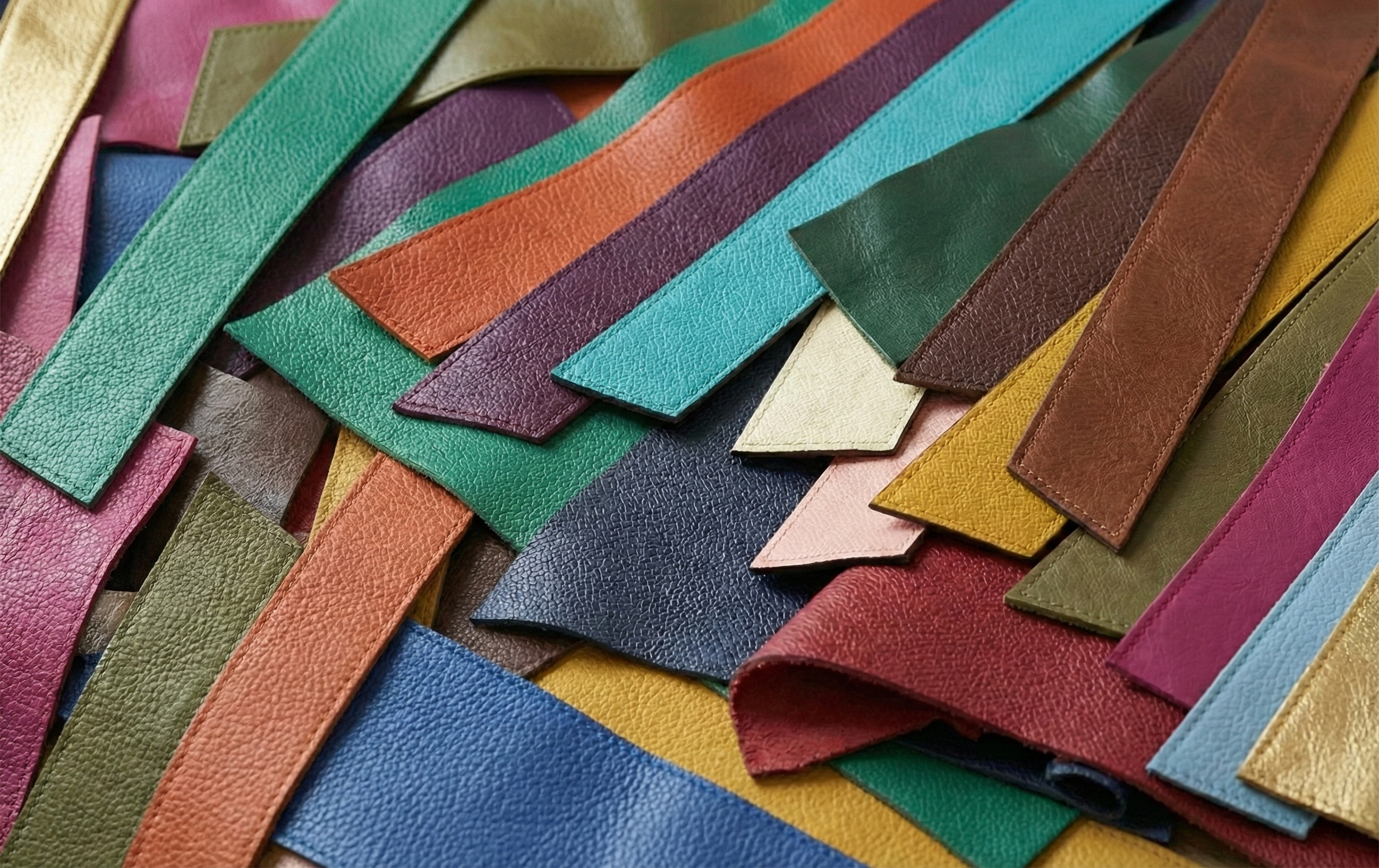
One of the most determining aspects in the choice is the material. Not only for aesthetic reasons, but for how the bag behaves over time.
In concrete terms:
- an Italian leather evolves, adapts, and tends to last longer
- an animal-free material like coagulated leather is more practical and water-resistant
- sustainable materials represent an alternative solution, to be evaluated based on usage
In our work, there is no single best material, but rather the one most consistent with who will use the bag.
Weight, capacity, and proportions
An often underestimated aspect is weight. A bag might look perfect visually, but turn out to be impractical once it becomes heavy when used.
The same applies to capacity, which is not just a matter of size, but of internal organization.
It's useful to consider:
- what will be carried every day
- how often the bag will be full
- if quick access to items is needed
- how the weight is distributed
In our work, we often do real-world tests with clients, because these details make all the difference.
Details that matter more than you think
Some elements seem secondary, but in daily use, they become crucial.
Among the most important are:
- strap length and adjustment
- type of closure
- ease of access
- presence of internal pockets
These are aspects that often determine the final choice, more than the design itself.
A choice that must work over time
A bag is not an occasional purchase. It is an object that accompanies daily life.
For this reason, the choice should always take time into account. Not just how it looks today, but how it will function months from now.
In our approach, the most important question isn't "do you like it?", but "will it really work for you?".
Milan and a different way of choosing
Working in Milan means interacting daily with diverse people, local and international clients, and very varied needs.
This has taught us that there is no universal choice, but there is a method. A way of choosing that starts with the use, moves through the materials, and arrives at the shape.
It's a slower approach, but much more effective.
Choose better, not more
In recent years, we've also seen how people buy bags change. Less impulse, more awareness.
Choosing a bag today means finding a balance between aesthetics and function. Not sacrificing style, but integrating it with what is truly needed.
This is what transforms a bag into something that is used, not just owned.
A simple, yet concrete guide
Ultimately, choosing a bag isn't complicated. It just requires starting with the right questions.
How will you use it?
How often?
Which material is most suitable for your lifestyle?
In our work, everything starts here.