
Materials compared: leather, alternative materials and new solutions
Materials Compared: Leather, Animal-Free Materials, and Sustainable Solutions
How to truly choose between Italian leather, coagulated material, and innovative options
Choosing a handbag means, first and foremost, choosing a material. It's a decision that impacts aesthetics, durability, daily use, and the overall feel of the product.
In our work, this is one of the most frequent questions we receive at our Milan store: “What material is it?”. And it's also one of the most important, because behind an apparently simple answer lies a concrete difference in the user experience.
Over the years, we have chosen to work with different materials, because there is no single solution suitable for everyone. There is only the one best suited to how a bag will actually be used.
Italian leather: materials and processes that make the difference
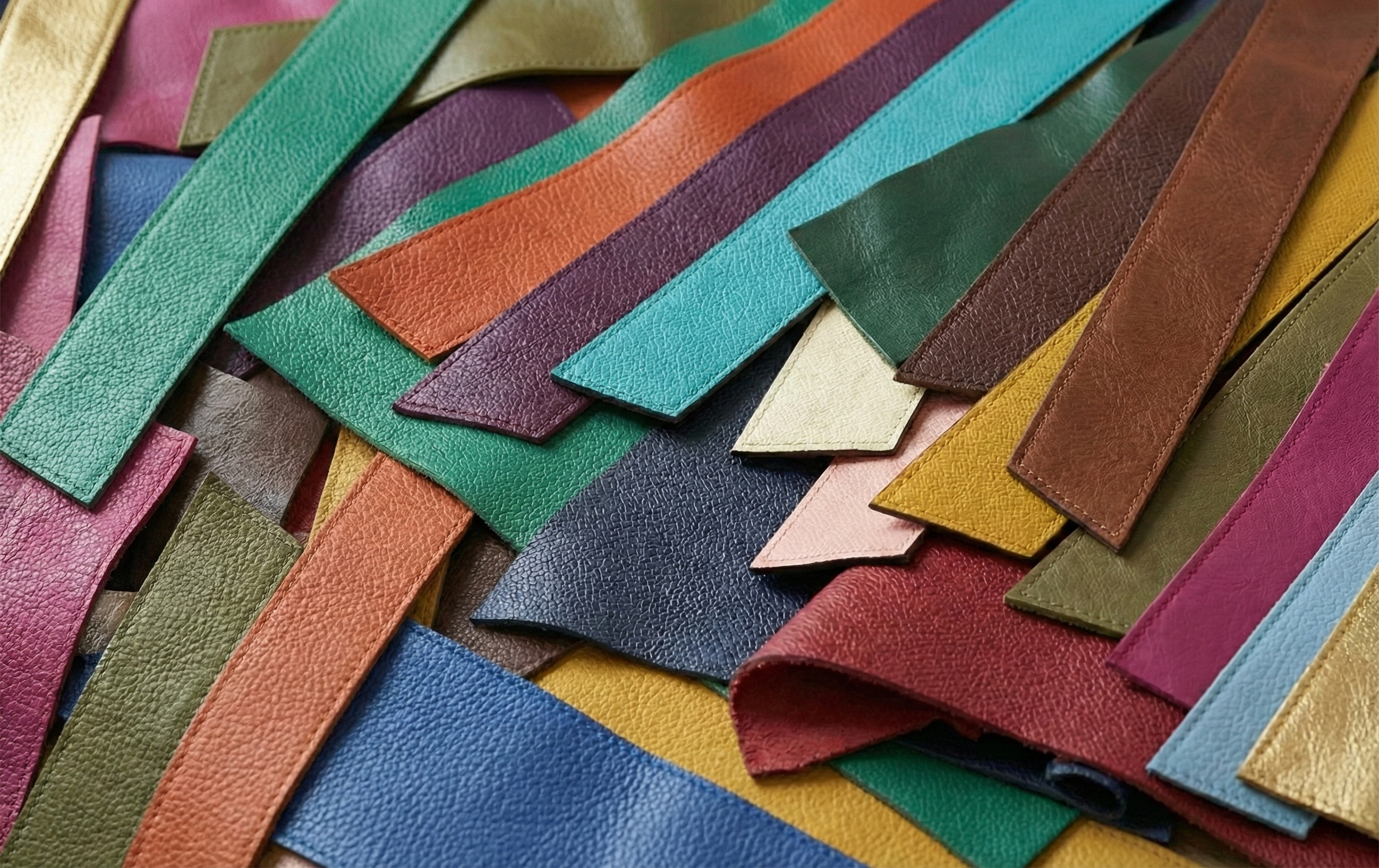
Most of our bags are made from Italian calf leather, processed with different finishes. This is not a random choice, but the result of years of experience in the real-world use of the product.
The main processes we use are:
- dollar leather (pebbled), more resistant to scratches and daily use
- palmellata leather, structured and compact, ideal for maintaining shape
- smooth leather or nappa, softer, with a more elegant finish and more sensitive to time
These differences are not just aesthetic. They change how the bag behaves over time.
Leather has a fundamental characteristic: it evolves with use. It doesn't remain identical, but adapts, softens, and gains character. It's a material that gives a lot, but requires a conscious choice.
Animal-free materials: practicality and everyday use
Alongside leather, we also work with animal-free materials, developed to offer a concrete alternative for daily use.
Among these, we use coagulated material, composed of a cotton base combined with resins, which guarantees:
- good water resistance
- shape stability
- ease of maintenance
In daily interactions with customers in the store, these materials are often chosen by those looking for a more practical, less delicate, and easier-to-manage solution compared to leather.
This is not a "secondary" choice, but an alternative with precise characteristics, designed for different needs.
Sustainable materials: new directions
In recent years, we have also introduced sustainable plant-based materials, such as Apple Skin, derived from food industry waste.
These solutions represent an interesting direction because they combine research, aesthetics, and attention to impact. At the same time, it is important to consider them correctly: they do not completely replace traditional materials, but are included as specific options, suitable for certain uses.
In our approach, we choose to use these materials when they are consistent with the product, without forcing them.
Different materials, different uses
One of the things we explain most often is that material is not just an aesthetic choice. It concretely changes how a bag is used.
A pebbled leather will be more durable in daily use.
Smooth leather will be more elegant but more sensitive.
An animal-free material like coagulated material will be more stable and practical, but it won't evolve over time like leather.
There is no single best choice, but rather a choice more consistent with one's lifestyle.
How to choose the right material
In direct discussions with customers, we always start with actual use.
The questions that truly help are simple:
- how much will you use this bag?
- will it be for daily or occasional use?
- do you prefer a material that changes over time or one that remains stable?
- how important is maintenance?
These are the answers that guide the choice.
The material is part of the design
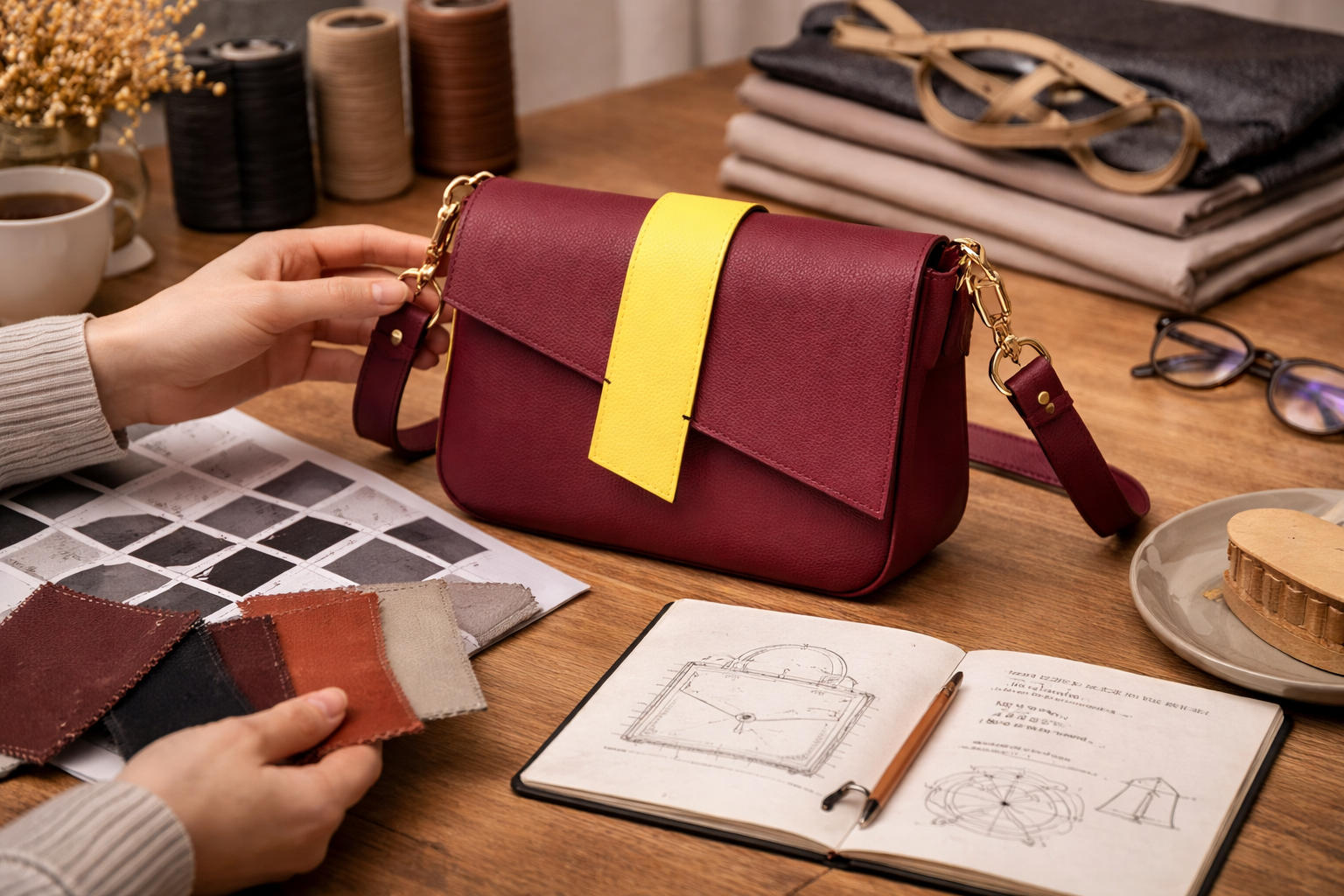
When we design a bag, the material is not a secondary element. It is one of the first decisions.
Form, structure, and material are conceived together. A bag designed to be soft requires different materials than one intended to maintain a more defined shape.
For this reason, material is not a covering, but a function.
Milan and an increasingly aware customer
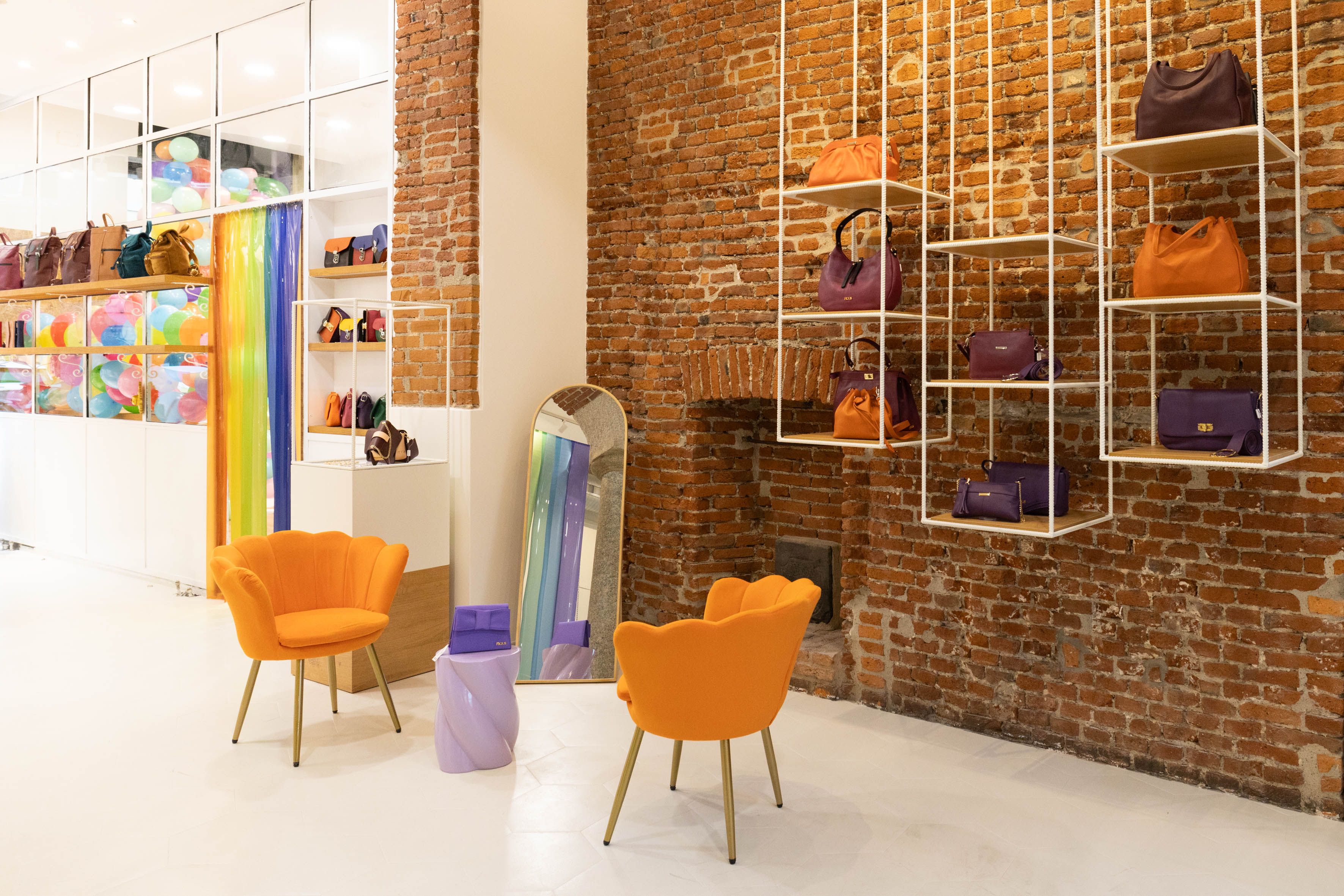
Working in Milan means interacting daily with an international, attentive, and informed public. In recent years, we have seen a significant increase in interest in animal-free and sustainable materials, alongside the quality of leather.
More and more people want to understand how a material behaves over time, how to maintain it, and what the most suitable choice is for their use.
This has made our work even more direct: it's not enough to propose, we must explain.
Choosing the material means choosing for the long term
Ultimately, choosing a bag means choosing how that bag will behave over months and years.
It's not just an aesthetic matter, but a decision concerning durability, maintenance, and actual use.
Guiding this choice is a fundamental part of our work, because it is here that a proper relationship with the product is built.
Knowing more to choose better
Having more options is only an advantage if you know how to interpret them.
Understanding the differences between Italian leather, animal-free materials, and sustainable solutions allows for avoiding random choices and making more conscious purchases.
And it is precisely this awareness that transforms an object into something that lasts.